Wine Education
wine education: A Comprehensive Guide to Understanding Wine
wine education is essential for anyone looking to appreciate the complexities of wine. Understanding the various aspects of wine, from grape varieties to tasting techniques, can greatly enhance your wine experience. In this comprehensive guide, we will delve into the foundations of wine education, covering essential topics that will transform your appreciation for this remarkable beverage.
The world of wine is vast and diverse, with a rich history that spans thousands of years. Each region produces unique wines that reflect the terroir, climate, and cultural practices of the area. Through wine education, enthusiasts can learn about these regional differences, allowing them to make informed choices when selecting wines.
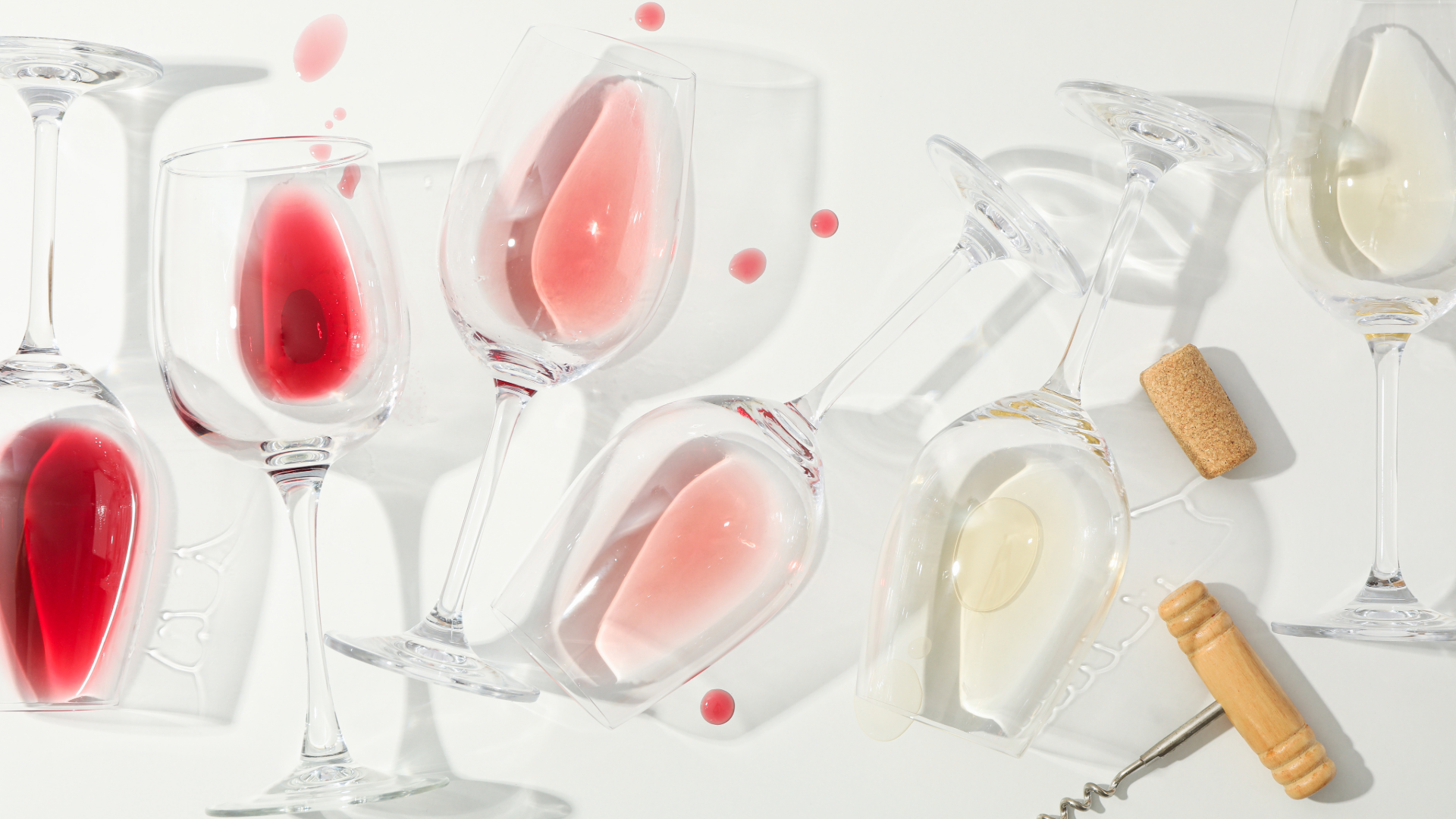
The first step in wine education is understanding the different types of wines. Red, white, rosé, and sparkling wines all have distinct characteristics and flavor profiles. For example, red wines are often full-bodied with tannin structures, while whites can range from crisp and refreshing to creamy and oaky. Knowing these characteristics is crucial for pairing wines with food and enhancing the overall dining experience.
Learning about different grape varieties is another fundamental aspect of wine education. Each grape variety carries its own flavor profile, acidity level, and aging potential. Common grape varieties like Cabernet Sauvignon, Merlot, Chardonnay, and Sauvignon Blanc each produce wines with unique tastes and aromas. Exploring these grape varieties through tastings will develop your palate and understanding of wine.
Wine education also involves mastering wine tasting techniques. The five-step tasting process—look, swirl, sniff, sip, and savor—allows you to evaluate the wine's appearance, aroma, taste, and finish. Developing your tasting skills will enable you to appreciate the nuances of different wines and enhance your enjoyment.
Wine pairing is another critical component of wine education. Knowing how to pair wine with different cuisines can elevate a meal. The principles of pairing wine with food are based on balancing flavors, acidity, sweetness, and texture. Taking time to experiment with these pairings can lead to delightful discoveries and an enhanced culinary experience.
Moreover, learning about wine storage and serving is vital in wine education. Proper storage conditions can significantly affect the quality of wine over time. Understanding ideal temperatures, humidity levels, and the importance of proper corking is crucial for wine enthusiasts. Additionally, serving techniques such as using the correct glassware and the ideal serving temperature contribute to the overall enjoyment of the wine.
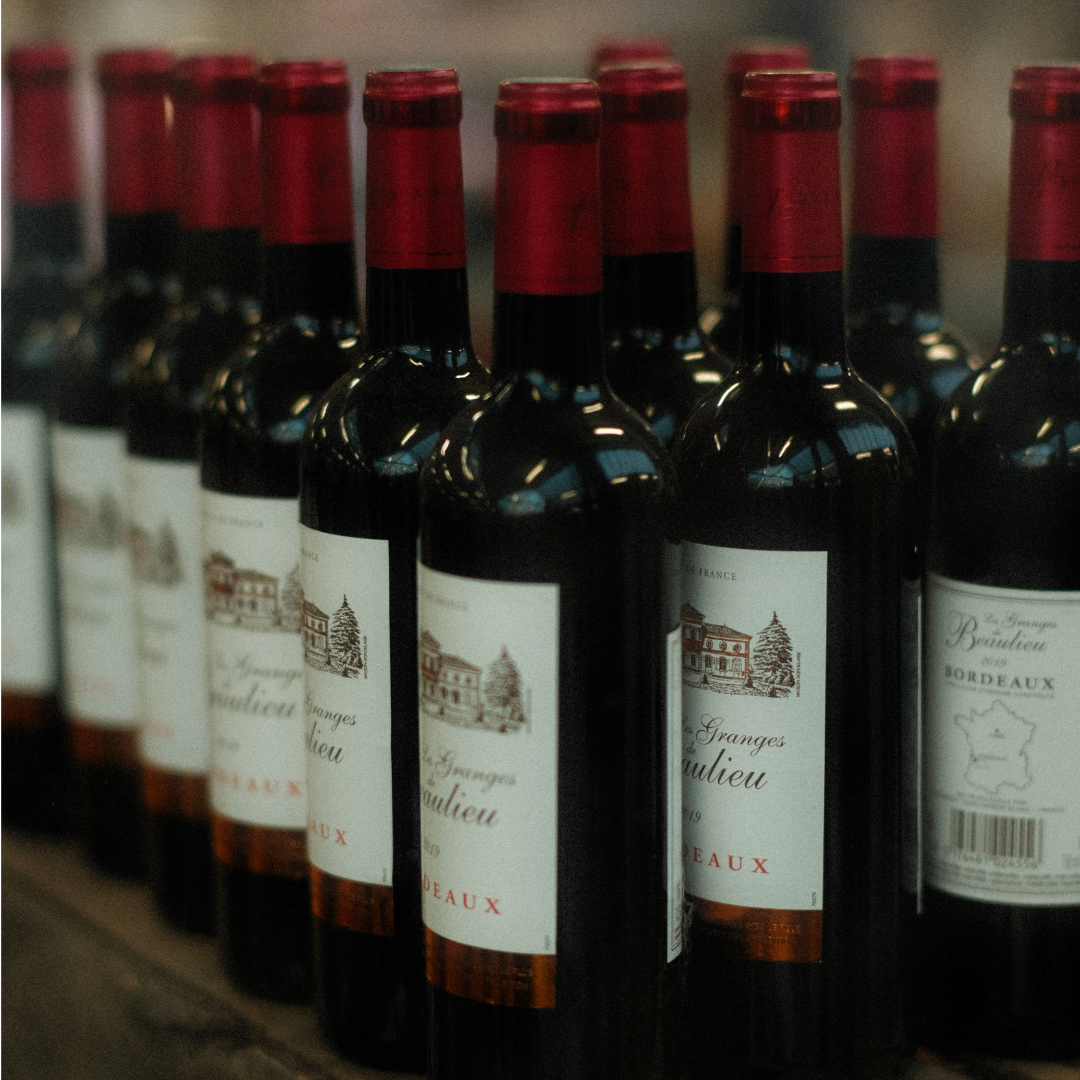
Lastly, understanding wine regions and appellations is essential for thorough wine education. Each region has regulations governing grape growing, harvesting, and vinification processes. This knowledge can help enthusiasts navigate wine labels and recognize reputable selections, enhancing their overall wine purchasing experience.
In conclusion, wine education is a journey that enriches your appreciation for wine, enhances your tasting skills, and allows you to make more informed choices. Whether you are a novice or a seasoned wine lover, investing time in learning about wine will undoubtedly deepen your enjoyment of this extraordinary beverage.
Contact form